
On September 21, Montreal city council passed a municipal bylaw aimed at prohibiting citizens from insulting police officers, elected officials, and other municipal employees..
Under the new regulations, individuals who intimidate, harass, threat, or insult a city worker on duty face fines ranging from $300 to $1,000 for a first offense, and up to $2,000 for subsequent offenses.
That very same evening, friends, family, and community members were gathering on Montreal’s South Shore suburb of Longueuil, to commemorate the one-year anniversary of the fatal police shooting of 15-year-old Nooran Rezayi. The unarmed teenager was shot roughly 10 minutes after Longueuil police were called to the area. One year later, his family is still searching for answers and prosecutors still haven’t decided whether the police officer who shot him will face charges.
“We’re just handing over another power to the police.”
Only days before the city council meeting, at an anti-AI protest in downtown Montreal, photojournalist William Wilson (on assignment for local independent media The Rover) was badly beaten by Montreal police. He suffered multiple bruises, and was later hospitalized with a concussion, despite wearing press credentials. His colleague, Isaac Peltz also sustained injuries. The Rover subsequently published an open letter demanding an immediate investigation into the SPVM officers involved in the assault.
Add to that recent allegations that police officers in the predominantly racialized neighbourhood of Montreal North were ripping locs from Black men to keep as ‘trophies’ and many question why Montreal city council decided to pass an anti-insult bylaw that many civil liberties organizations and advocates warn runs a significant risk of abuse.
Marginalized communities will be most affected
Ted Rutland, an associate professor at Concordia University and vocal critic regarding systemic racism, racial profiling, and Montreal police misconduct, says the bylaw is unnecessary.
“We’re just handing over another power to the police,” he says.
Rutland, who co-authored a 2018 report on the experiences of racialized youth with the police in the Saint-Michel neighborhood, worries the people most likely to insult the police are the ones who are most harassed by them.
“The average monsieur et madame tout le monde aren’t abused by the police and have no reason to insult them,” he says. “They won’t be affected by this bylaw at all.”

Rutland’s research shows specific people are regularly stopped, harassed, and mistreated by the police, and they develop a level of frustration that is difficult for them to control.
“This administration acts as if it has no idea how the police operate in certain neighborhoods,” he says. “As if it has no idea of the anger and frustration many citizens feel toward the police. Rather than addressing the root causes of this frustration and taking responsibility for the police force it oversees, this administration proposes punishing citizens for giving voice to that frustration.”
Rutland points out that police officers already have various tools at their disposal to punish citizens who address them in a way they dislike.
“What usually happens in those situations,” he says, “is that police use existing powers and charge them with obstruction of justice. Now they’ll just have one more law that they can use.”
Who gets to define ‘offensive’ behaviour?
Rutland is not alone in his concerns about possible abuses of power.
A few days before the bylaw was passed by city council, the League of Rights and Freedoms, the Canadian Civil Liberties Association, Hoodstock (a Montreal-North community organization that works to eliminate systemic racism and social inequality), and the Saint-Michel Legal Clinic sent a letter to the mayor of Montreal, sounding the alarm about the risks of abuse stemming from such a bylaw prohibiting the public from engaging in “offensive” behaviour toward municipal staff, including police officers, under penalty of fines.
“I think the first people who are going to get caught up in this law are going to be homeless people, those experiencing psychosis or in precarious situations.”
The signatory organizations condemned the fact that the bylaw not only prohibits objectively violent or threatening behavior but also bans a wide range of conduct of varying severity, without bothering to define it.
“This approach creates ambiguity about what is prohibited,” reads the letter, “which paves the way for subjective, arbitrary, or even discriminatory interpretations by SPVM officers.”
Montreal civil and human rights litigation lawyer Geneviève Grey is equally concerned about the vagueness of the bylaw and how it would affect the most vulnerable in the city. “We’ve argued many cases over the years where people are rude to police, and they’ve been dismissed,” she says.
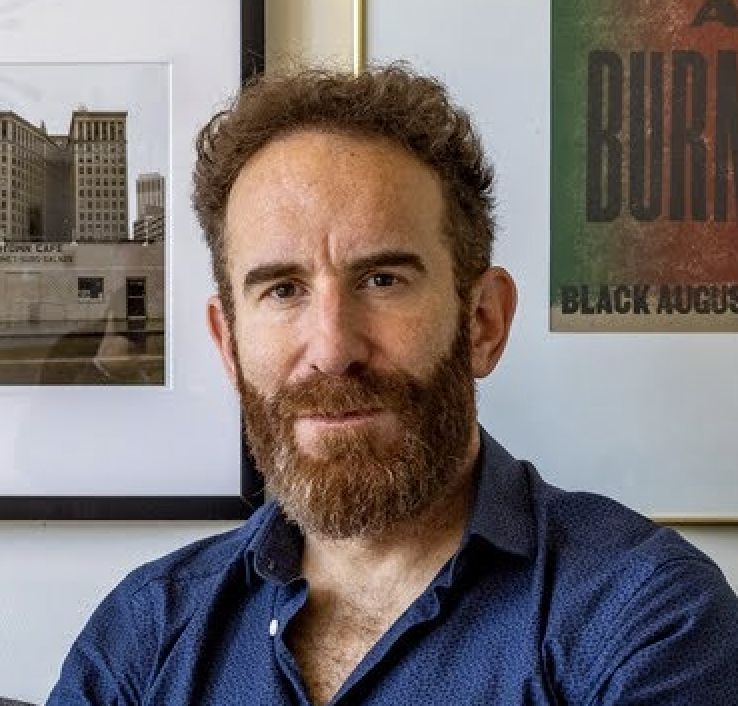
“They’re rude because they’re in situations of high stress. Legally speaking, I think the first people who are going to get caught up in this law are going to be homeless people, those experiencing psychosis or in precarious situations.”
Those pushing for the bylaw, often cite the case of Mohammed Bekkeli, a 24-year-old Montreal man who made headlines earlier this year after he posted social media videos of himself insulting a female Montreal police officer. The video became a viral sensation and outraged many Quebecers. The incident has frequently been cited by the administration and those calling for tighter measures as a justification for the bylaw.
A Léger survey this past April found that 70 per cent of respondents supported a regulation against insults towards police. Unsurprisingly, the survey was commissioned by the Montreal Police Brotherhood.
But here’s the good news for those outraged at Bekkali’s behaviour. He was arrested and faces three criminal charges in compliance with the Criminal Code. There was never a need for additional legislation handing over even more powers to police.
“And police aren’t even the people who face the most abuse at work. It’s actually nurses, flight attendants, and call-centre employees.”
While Montreal police have stated in the past that “they support the adoption of a regulatory framework, with all appropriate safeguards and parameters, that would help this long-standing issue,” like the degrading and misogynistic behaviour seen in the viral video, the final bylaw is broader and includes “offensive” behaviour, without necessarily defining what constitutes an insult.
In its justification for the proposed by-law, the Montreal administration cited several behaviours it wishes to curb, specifically intimidation, threats, and acts of violence against police officers.
“These behaviours are already prohibited under the Criminal Code,” says Rutland. “The law is very clear on this. You don’t have the right to threaten, interfere with or obstruct the police. And police aren’t even the people who face the most abuse at work. It’s actually nurses, flight attendants, and call-centre employees.”
“Most municipal workers,” says Grey, “most hospitals, already have a right not to serve you if you insult them. It’s already a rule, you don’t need additional laws. And how far does that go? What if you say a swear word as a reaction, but not at them and they interpret it the wrong way? There are so many ways this bylaw could cause harm.”
Unconstitutional legislation
Civil-rights organizations worry that prohibiting non-threatening expressions solely because they might offend someone unjustifiably violates Montrealers’ freedom of expression.
“The potential for abuse is clear,” states the letter signed by the signatory organizations,
“especially in light of the sometimes-tense interactions between SPVM officers and the public. Montrealers could face a substantial fine if they express themselves in a way that an SPVM officer finds offensive or insulting during an interaction.”
It’s primarily why Grey doesn’t consider the bylaw constitutional. “The words coming out of someone’s mouth may not be very polite,” she says, “but the police should be equipped to handle that. There are already laws in place to protect police and municipal workers from abuse. If they’re hindering police operations they can be charged with obstruction of justice.”
As far as the human rights lawyer is concerned, this bylaw simply gives more power to people who are already in a position of power, and who don’t need that power.
“People don’t have a right not to be offended. This bylaw is not constitutional and I’m excited for the first challenges of this law.”
“Someone simply being rude or insulting is freedom of expression,” she says. “People don’t have a right not to be offended. This bylaw is not constitutional and I’m excited for the first challenges of this law. It needs to be challenged because it impedes on freedom of expression in a way that is totally unjustified.”
“It’s unconstitutional,” says Rutland. “Any legal team that challenges it will win because the jurisprudence is really clear on this. But the police will have another power to use for a year or two and the city will spend millions of taxpayer dollars to defend a bylaw that should never have been passed in the first place, only to see it fall.”
Montreal mayor Soraya Martinez Ferrada insists this bylaw “is not seeking to take away anyone’s right to criticize the police, contest an intervention or disagree with the city. “Those rights remain fully protected,” she says. “But we need a framework that gives us the authority to regulate certain behaviours.”
But within a context where the SPVM has often been found to abuse the powers it already possesses against marginalized communities and its police officers can’t seem to shake accusations of racial profiling, Rutland doesn’t understand the need for this regulation.
“It’s a giant droit d’honneur (middle finger) to everyone who faces police violence in this city,” he says.


