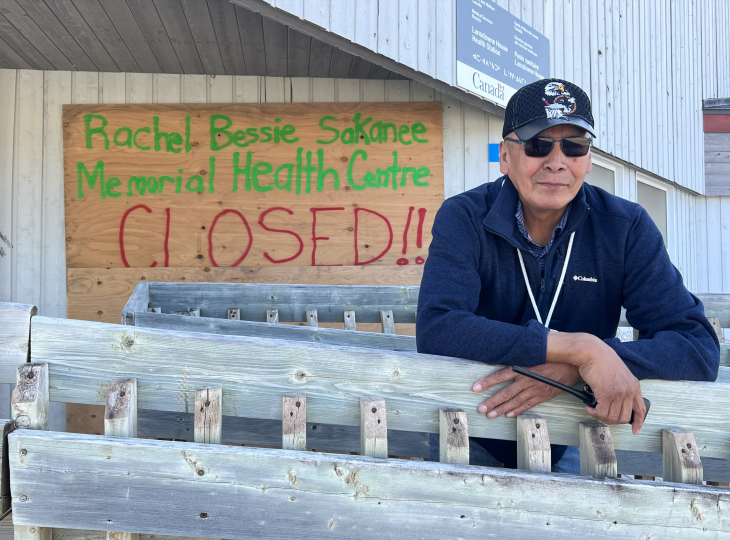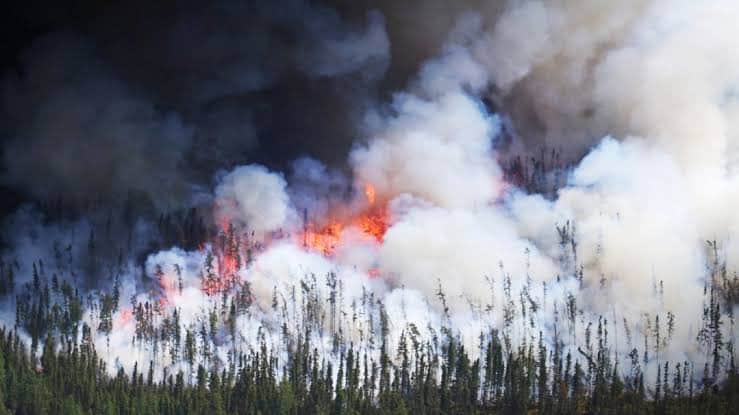
Out of control wildfires have forced many First Nations to flee their communities with no warning or help from the provincial government, and now many are putting the blame on Ontario Premier Doug Ford for creating the perfect storm with his policies.
Not only was there a lack of evacuation orders for First Nations communities, but Ford’s government has continually underfunded the emergency forest firefighting budget and sprayed the boreal forest with glyphosates, which ecologists and Indigenous communities have warned the provincial government of this very possibility happening for years.
Perhaps now they’ll pay attention.
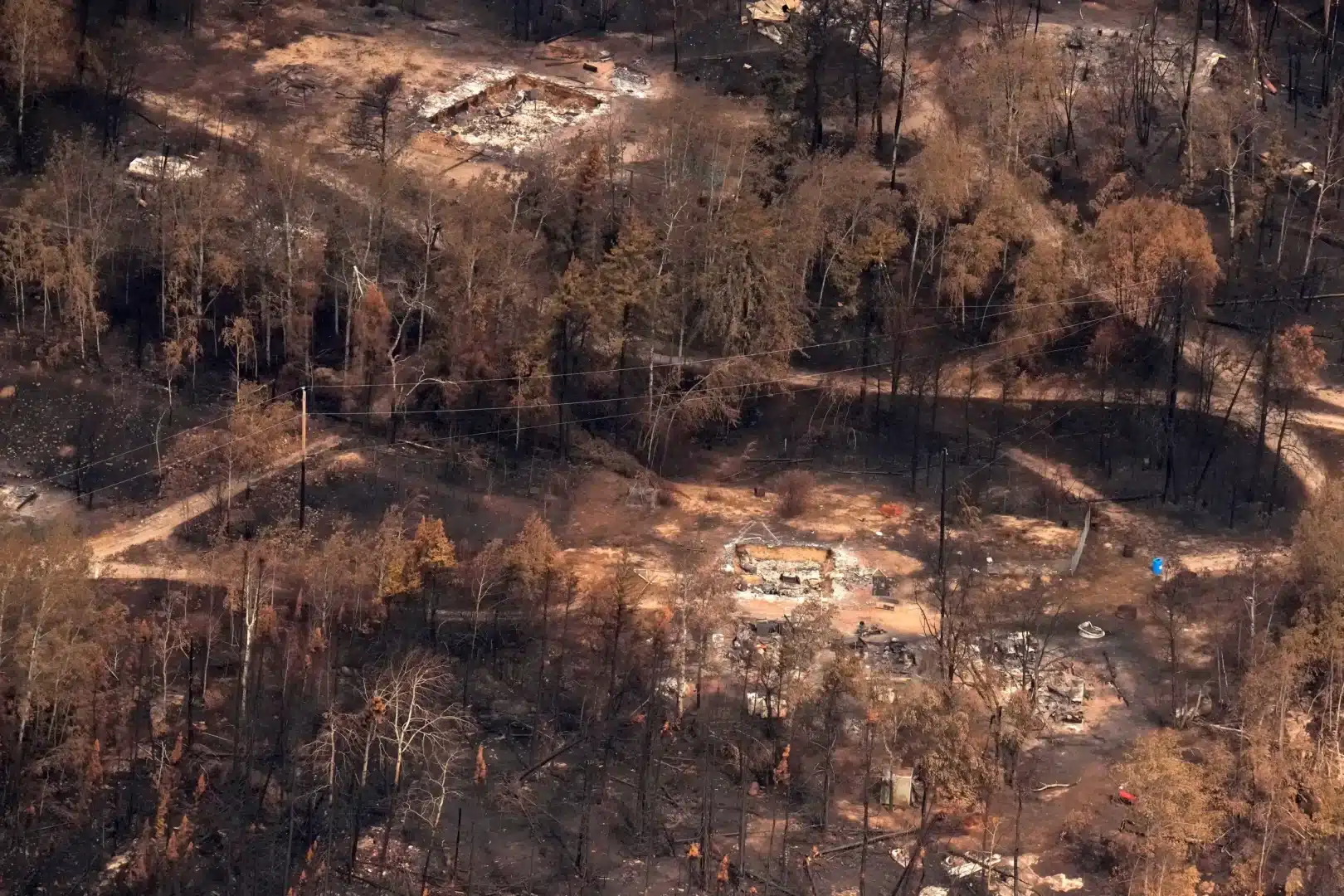
At a press conference last week Doug Ford said “What’s a miracle is no one’s lost their lives because of the incredible work of our frontline firefighters, OPP, and paramedics.”
However, many First Nation communities evacuated were not only kept in the dark from the government, they had to flee with no warning, aid or assistance, some leaving behind everything and watching their homes and communities burn to the ground.
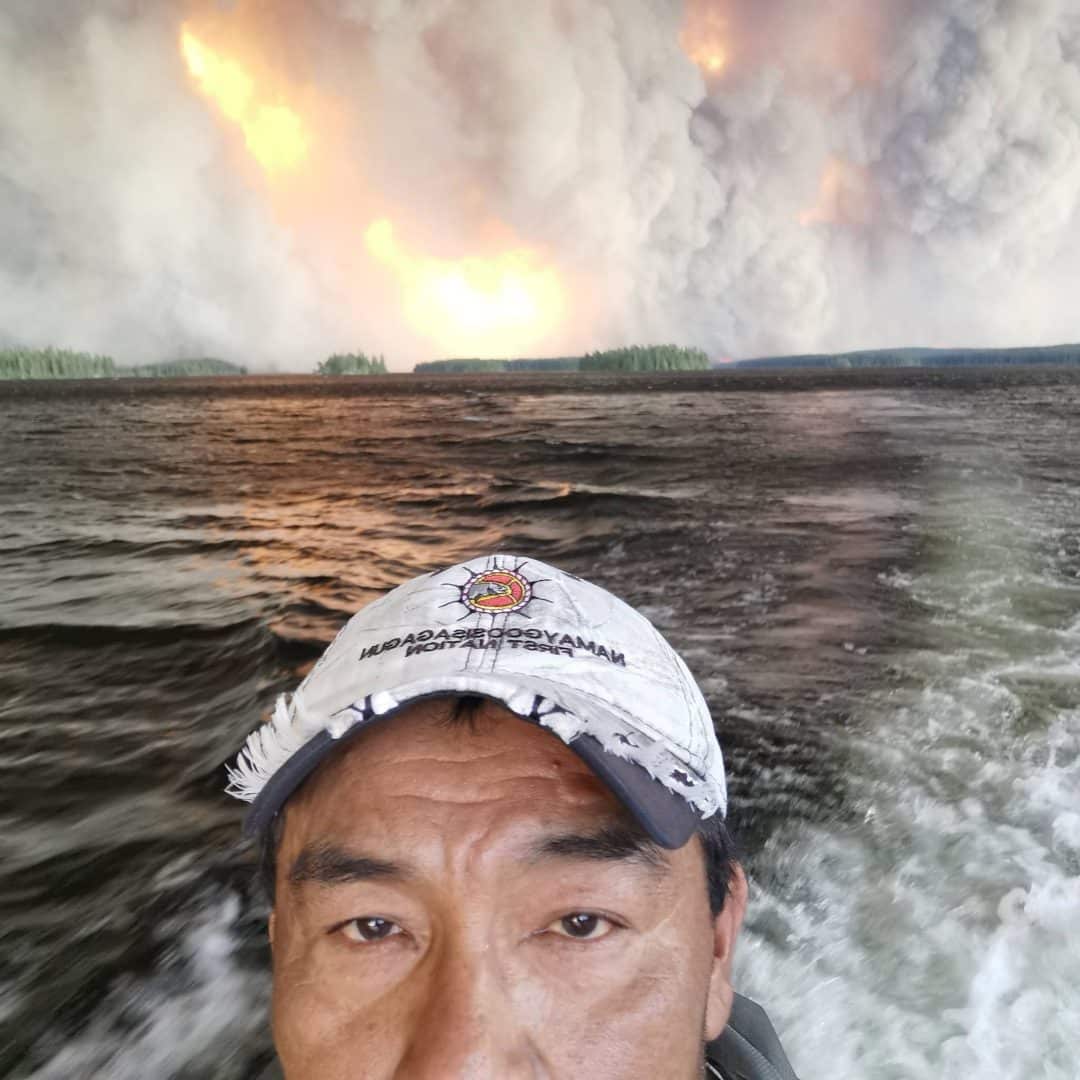
Namaygoosisagagun First Nations went viral for heartbreaking footage of the wildfire that destroyed their community. The community, located 210 kilometers north of Thunder Bay, is extremely isolated, and only accessible by boat or bush. When community members initially saw the black smoke, they informed their Chief, Helen Paavola, who phoned the Ministry of Natural Resources. The ministry put in calls to supervisors. Initially, there was no response, but when staff eventually returned their calls, band members were told not to worry.
Still, Chief Paavola told her community to get the boats and get ready — just in case.

Her communication was cut off with the community for a few hours after this while she was on a flight to Ottawa. When she landed, her phone exploded with messages and calls.
One of the most urgent messages was a video from a CN Rail worker named Riley, showing how close the raging fire was to the First Nation, along with a warning to get out of there fast.
That was the only warning they got to evacuate.
Namaygoosisagagun First Nations went viral for heartbreaking footage of the wildfire that destroyed their community.
Community members left with only the clothes on their backs, as they raced to escape the fast-moving flames and smoke. They watched their community burn as they escaped by boat.
Wayne Wastaken, who took most of the early wildfire footage, said, “It’s crazy how fast it happened. 15 to 20 minutes. It hit the reserve and it was burned down. When we were at the beach, you could hear the propane tanks at the dump exploding. My house was on a hill and I just watched it go up in flames.”
The early reports were devestating. The community of Namaygoosisagagun had burned down completely. Wastaken says that won’t stop them from rebuilding. With more than 80 per cent of Indigenous communities in fire prone regions, many critics are wondering why there is a lack of evacuation orders or land maintenance for these nations.
This week, as massive wildfires have continued to sweep across northern Ontario, Ford has repeatedly defended how his government prepared for the summer fire season, despite the fact that his government has consistently underfunded the wildfire emergency response.
In fact, almost every year under Ford, Ontario has significantly under-budgeted the amount it spends on emergency wildfire response, despite an increasing number of wildfires.
In 2024, 475 wildfires burned 90,000 hectares of land. The next year, that number went up to 643 fires that burned 600,000 hectares.
And in true colonial Canadian fashion, Indigenous communities are forced to suffer while profits are extracted out of our communities.
Already in 2026, this is now the worst wildfire season in the province’s history. But you wouldn’t know it looking at Ford’s budget for their wildfire maintenance.
Last year, Ford budgeted $135 million, yet spent more than double, an astonishing $271 million. This year, the government only planned to spend $150 million.
As a result of the funding cuts, frontline firefighters don’t have the crews and helicopters to respond to where they’re needed, losing precious seconds as fires rapidly spread, and making fires unmanageable for fire crews.
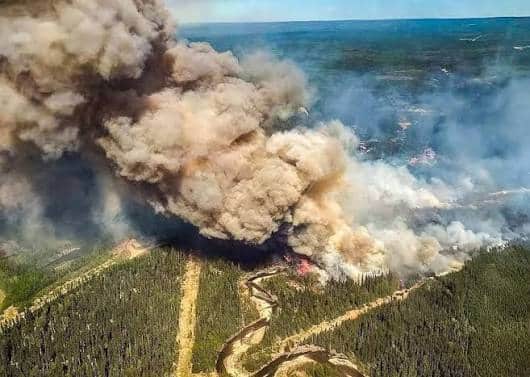
In addition to that, Ontario’s government has insisted on spraying glyphosates, despite critics and First Nations fighting to end the practice. The Chiefs of Ontario have been calling on the government to abolish these highly toxic and flammable chemicals for years. The herbicide is sprayed to kill broadleaf vegetation that competes with coniferous trees, which is preferred by industry for lumber harvesting.
Environmentalists have raised concerns that spraying glyphosates make forests more vulnerable to wildfires. By killing the leafy, deciduous trees, like Aspen, which are more resilient to wildfires, and leaving highly resinous softwoods, like pine and spruce, the land is left more at risk to fires. Also, as the glyphosate kills plants. It leaves behind dead, dry vegetation, which acts as kindling.
Ontario’s boreal forest was a campfire just waiting to be lit. Next door, in Quebec, the province has banned spraying the herbicide. Unfortunately Ford’s Conservative government has not heeded the same warnings.
Even though there were many people and communities raising these alarms, Ontario’s government has been more concerned with building profit-making extraction projects, rather than the safety of the province and people — projects being built without the consent of First Nation communities.
These fires happen every year and are increasing in severity year after year as a result of the ever-worsening climate crisis, exacerbated by the kinds of extraction projects Ford is determined to build. Rather than budgeting for inevitable climate emergencies, to protect our fragile ecosystems for future generations, Ford is focused on building pipelines and AI data centres.
And in true colonial Canadian fashion, Indigenous communities are forced to suffer while profits are extracted out of our communities.